Foundation repairs assessment and repair in the United States
Cracks in walls, floors that have started to slope and doors that drag in their frames are all worth taking seriously, but none of them confirms what is happening beneath the building. A foundation specialist examines the structure, checks drainage and soil conditions, and reviews the extent of any settlement before advising on repairs.

7 Core services 90 United States coverage Free No-pressure quote
Get a free quote today
Tell us what you have spotted, where the property is, and which service fits. A specialist will come back to you with a free quote before any work is agreed.
- Free quote, no obligation
- Covers cracks, settlement and underpinning
A look at foundation repair work
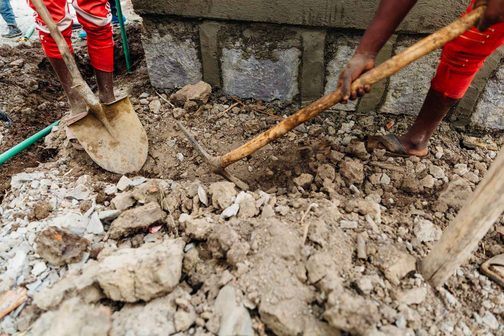
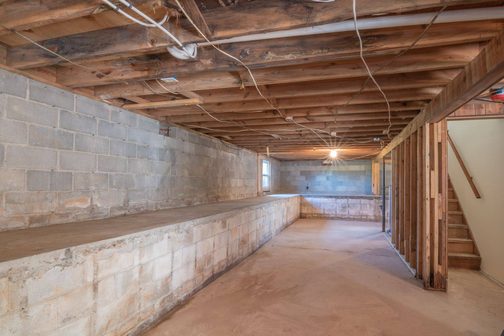
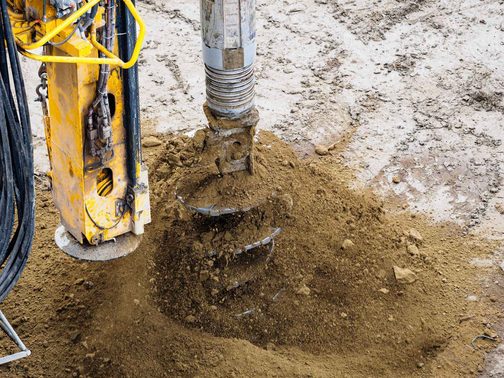
Know what the ground is doing before any repair work begins
Foundation movement can show up as wall cracks, sloping floors or doors that stick. Cracks or uneven floors do not always point to serious foundation problems, but movement that is new or getting worse should be looked at by a specialist. A foundation specialist checks the structure, measures floor levels and looks at drainage and ground conditions around the building. Engineering calculations or soil testing may be required before the right repair method, whether underpinning, piers, grouting or something else, can be confirmed.
Our foundation repairs
Planning foundation repairs starts with a specialist who will inspect cracks and visible movement, measure floor levels and foundation displacement, investigate soil or drainage concerns where needed, then recommend repairs based on the findings. Repair options can cover underpinning, foundation piers, grouting or drainage works.
Damp proofing
Stop moisture at the source before it reaches your living space.
Drainage repairs
Redirect water away from your foundation before soil movement begins.
Foundation repairs
Fix the footing, stop the movement, and protect the structure above.
Mudjacking
Raise a sunken slab without tearing it out and starting over.
Pier and beam foundation repairs
Restore level, solid support under a pier and beam home.
Piling
Carry the load down to stable ground with the right pile solution.
Underpinning
Deepen the foundation to ground that holds steady year after year.
When to arrange an assessment for foundation movement
Foundation movement may first appear as minor cracking, but widening gaps or sloping floors can point to something more significant. An assessment establishes the cause before any repair work starts.
Signs worth a specialist look
- Stair-step cracks running through brickwork or concrete block walls
- Floors that dip, slope or feel noticeably more uneven than before
- Doors or windows that have recently started sticking or will not close properly
- Gaps forming around door frames, window frames or between walls and ceilings
- Foundation walls that bow outward or develop cracks that are widening
- Separation appearing between the main building and an attached porch or addition
What can lead to foundation movement in the United States?
An assessment in the United States considers the building's foundation type, the surrounding soil and how water drains away from the structure. Movement can follow changes in ground conditions, insufficient original support or damaged drainage. Possible causes include:
- Expansive soils swelling or contracting as moisture levels rise and fall
- Fill material that was not properly compacted, settling beneath slabs or footings
- Leaking pipes or poor surface drainage washing out soil that supports the foundation
- Tree roots altering soil moisture levels or loads placed on the building exceeding what the foundation was designed to carry
Locations served across the United States
Select your town below to see detail on foundation repairs in that area. Specialists work throughout the United States.
- Albuquerque
- Anaheim
- Anchorage
- Arlington
- Atlanta
- Aurora
- Austin
- Bakersfield
- Baltimore
- Boston
- Buffalo
- Chandler
- Charlotte
- Chesapeake
- Chicago
- Chula Vista
- Cincinnati
- Cleveland
- Colorado Springs
- Columbus
- Corpus Christi
- Dallas
- Denver
- Detroit
- Durham
- El Paso
- Fort Wayne
- Fort Worth
- Fresno
- Gilbert
- Glendale
- Greensboro
- Henderson
- Houston
- Indianapolis
- Irvine
- Irving
- Jacksonville
- Jersey City
- Kansas City
- Laredo
- Las Vegas
- Lexington
- Lincoln
- Long Beach
- Los Angeles
- Louisville
- Lubbock
- Madison
- Memphis
- Mesa
- Miami
- Milwaukee
- Minneapolis
- Nashville
- New Orleans
- New York
- Newark
- North Las Vegas
- Oakland
- Oklahoma City
- Omaha
- Orlando
- Philadelphia
- Phoenix
- Pittsburgh
- Plano
- Portland
- Raleigh
- Reno
- Riverside
- Sacramento
- San Antonio
- San Diego
- San Francisco
- San Jose
- Santa Ana
- Seattle
- St. Louis
- St. Paul
- St. Petersburg
- Stockton
- Tampa
- Toledo
- Tucson
- Tulsa
- Virginia Beach
- Washington
- Wichita
- Winston-Salem